

The Shelter Gap
This project explores Indian Country’s housing shortage in Montana, systemic causes on reservation lands, and what’s possible when people have access to home loans and longterm secure housing.
This project was produced with reporter Nora Mabie of Montana Free Press

Charles Fish, 7, Linus Fish, 7, and Kenzo ArrowTop, 7, play around on a inflatable waterslide in a Rent-to-Own neighborhood in Browning, Montana, on Tuesday, August 26, 2025.
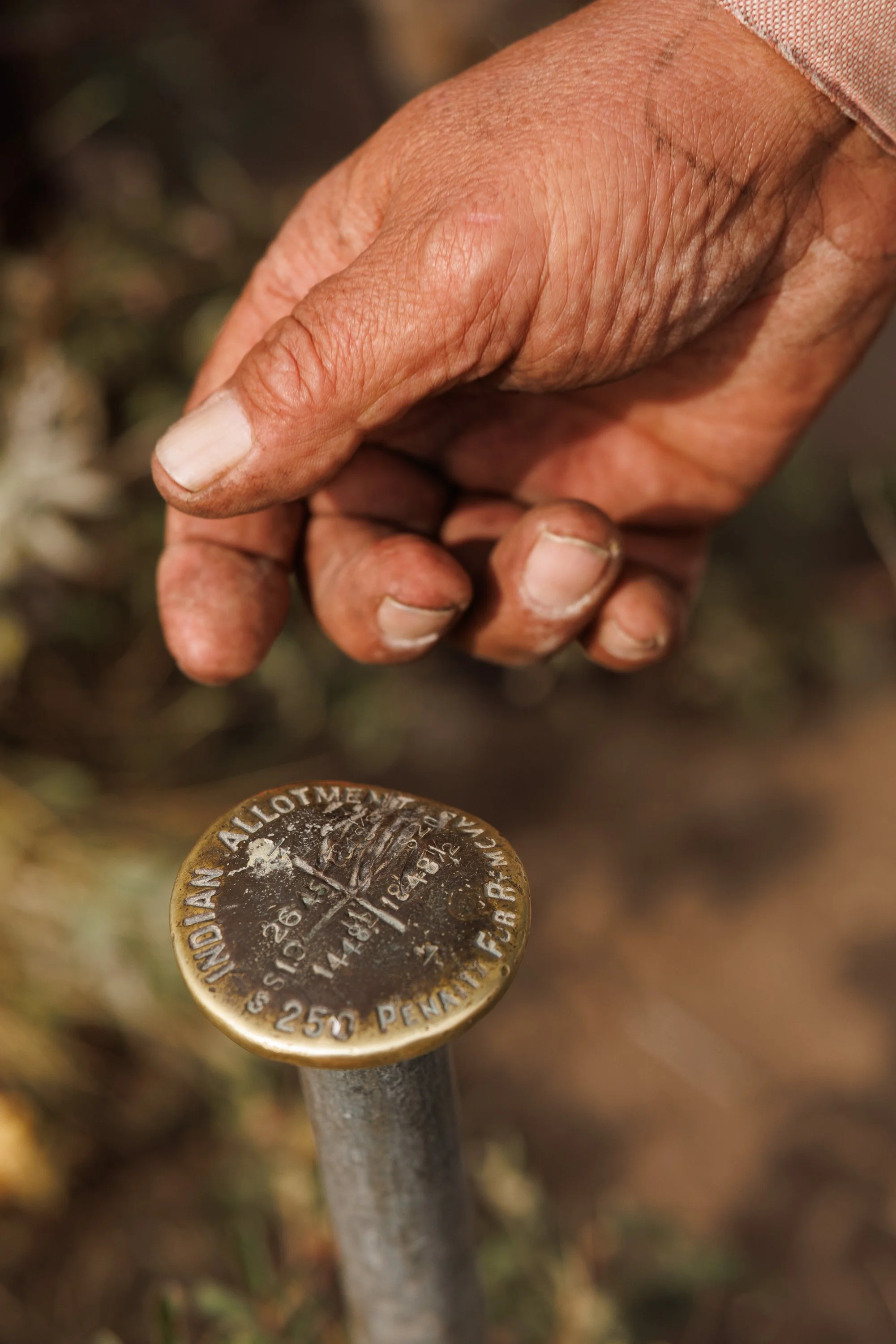
U.S. President Grover Cleveland authorized The General Allotment Act of 1887 (or Dawes Act) to divide up communal Tribal lands, convert them into private parcels, and open up unclaimed land to non-Native settlement. The goal was assimilation. This led to the loss of 90 million acres for Native Americans and created a host of problems, some of which still affect housing today.
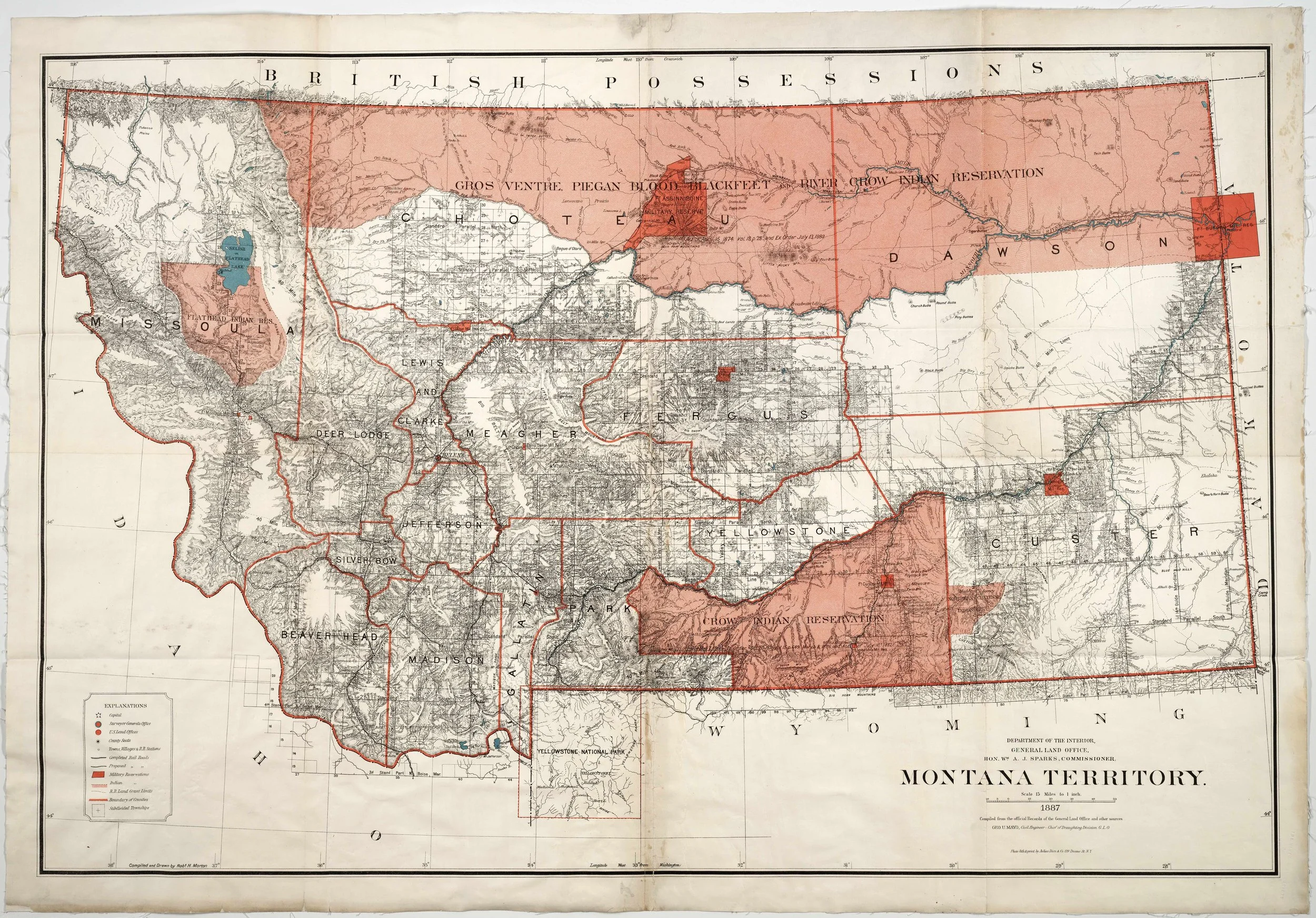
Map of Montana Territory from 1887, Montana Historical Society
“There’s a severe housing shortage in tribal communities nationwide, and reservation residents face daunting barriers to buying and building homes. The Native American homeownership rate is significantly lower than the national average. In Montana, the rate of Native American homeownership is 48.8% — about 21 percentage points below that of their White neighbors,” writes reporter Nora Mabie of Montana Free Press.
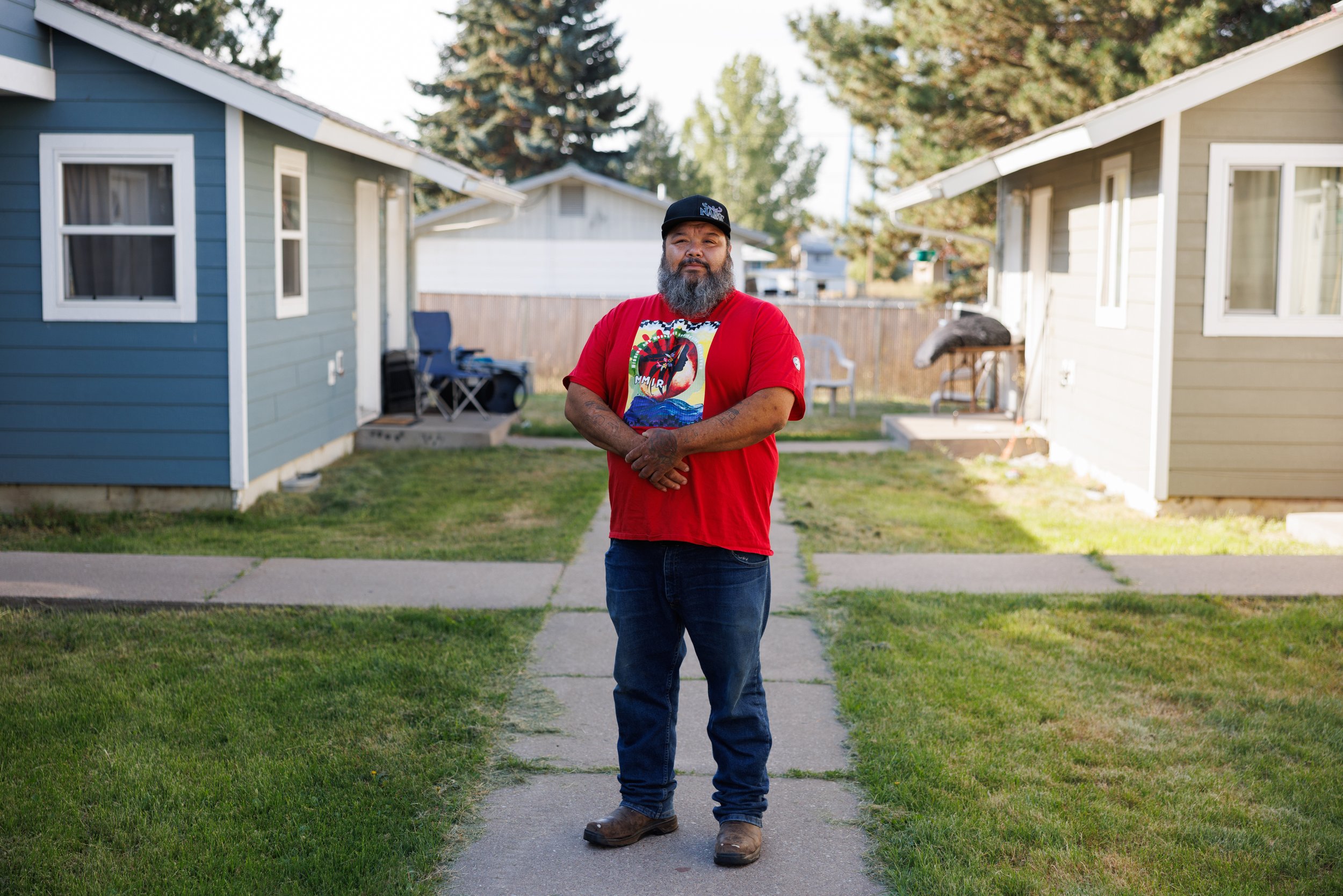
A portrait of Steven Morigeau, 43, at The Recovery Village in Pablo, Montana on Friday, August 22, 2025. The Recovery Village is a non-clinical, peer-led recovery residential program on the nearby Confederated Salish and Kootenai Reservation that provides housing for people struggling with addiction.
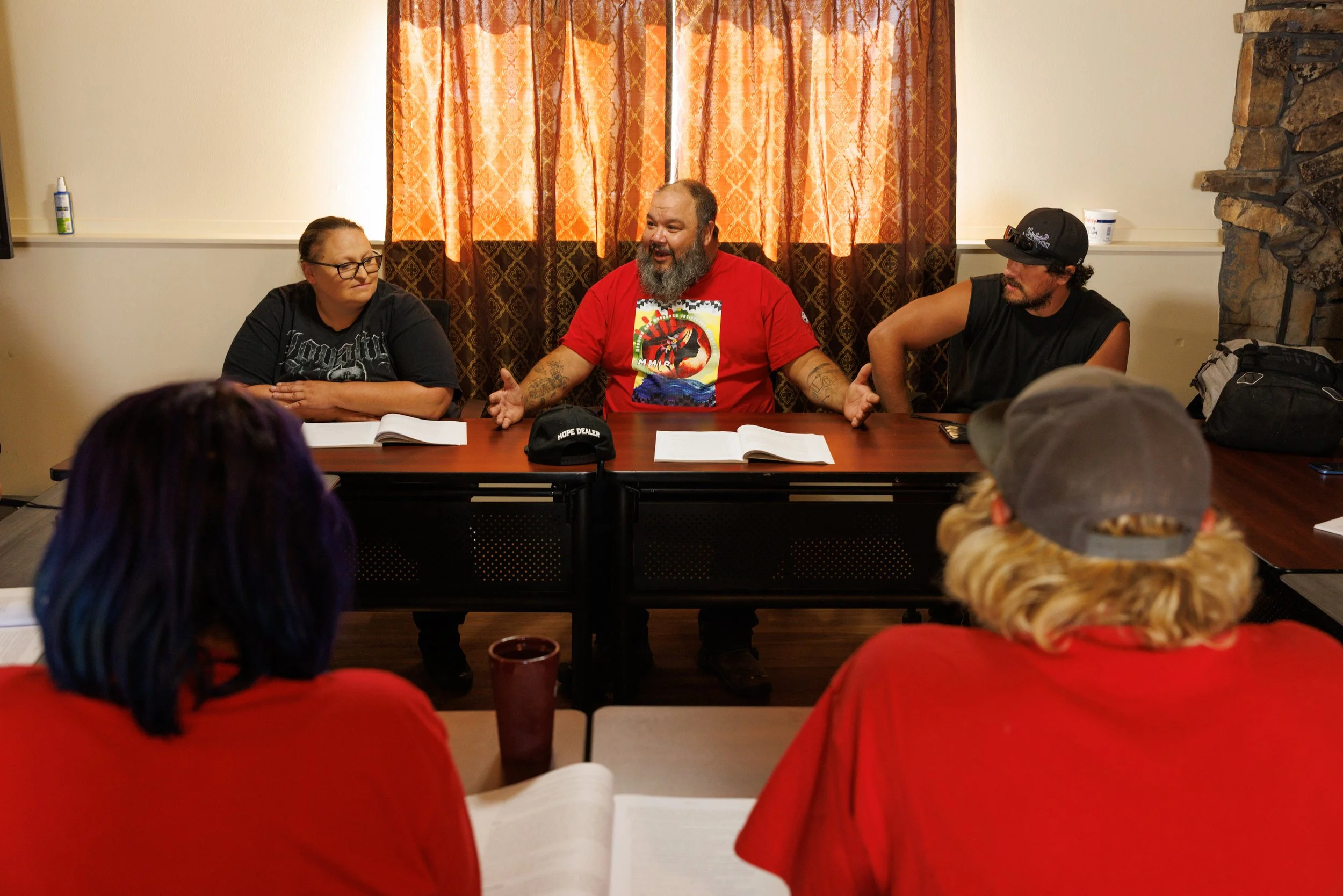
Steven Morigeau, 43, runs a community session at the Recovery Village in Pablo, Montana, on Monday, August 25, 2025. Steven is one of the founders of the program and bought a house across the street.

Artwork on the wall of NACDC, a community financial institution that helps remove barriers that exist in Indian County to capital and credit, including loans for home ownership.
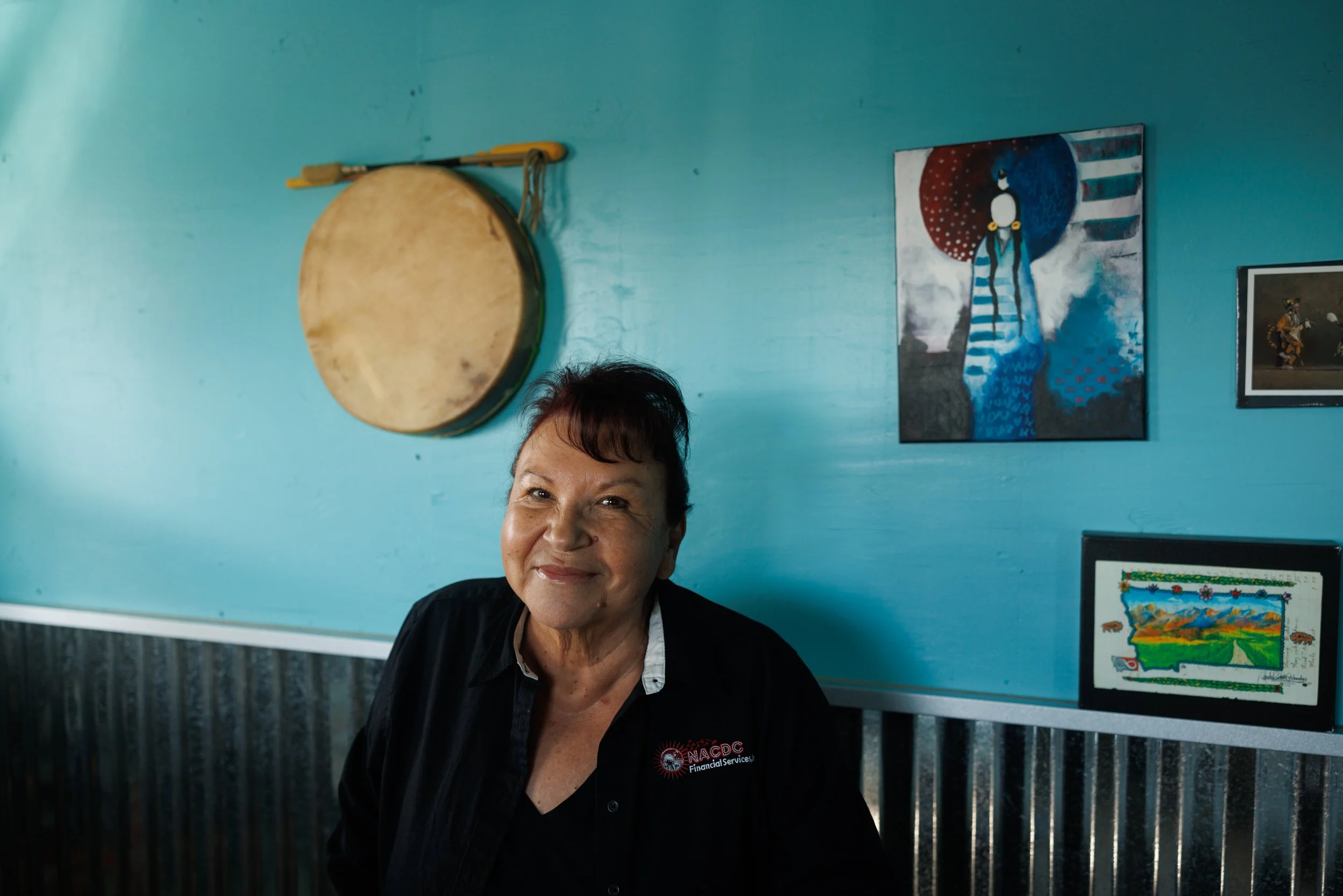
Angie Main, executive director of NACDC, at her home outside of Valier, Montana.
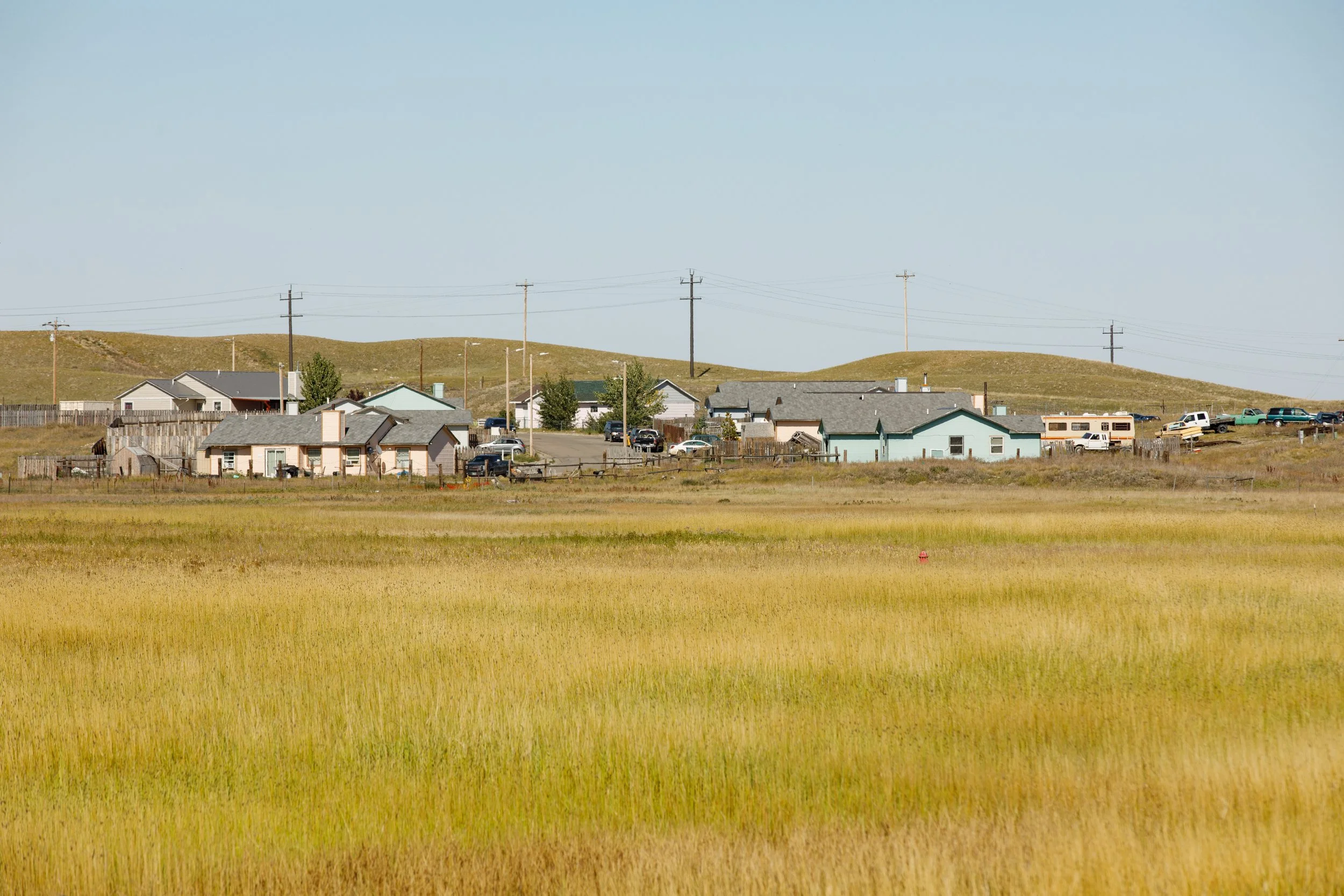
Traditional mortgages are difficult to secure on Tribal lands because banks cannot repossess properties if a homeowner defaults because the land is held in trust by the US government.
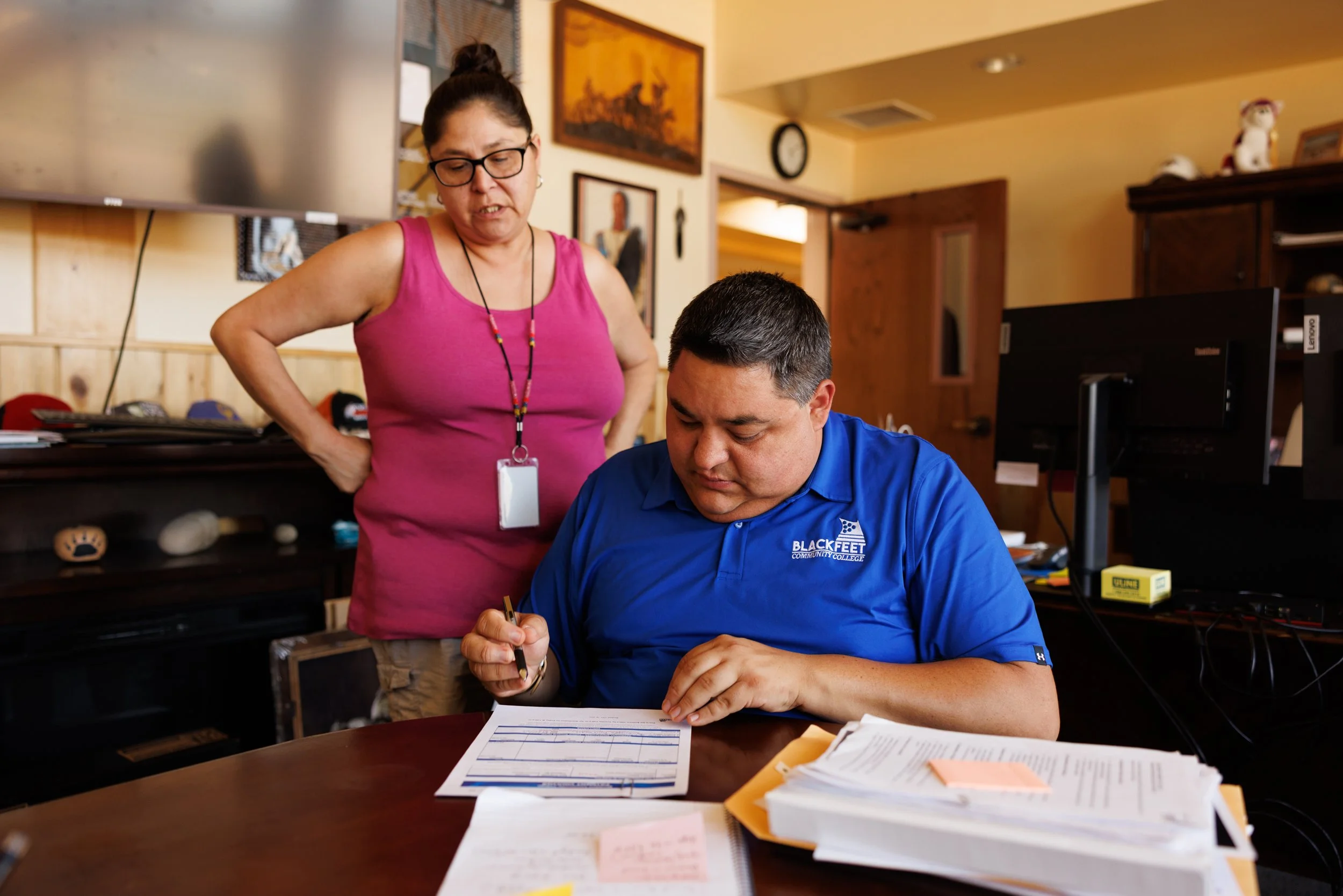
Brad Hall, President of Blackfeet Community College, had difficulty securing a traditional bank loan for a home. He applied and received a loan from NACDC and moved into his new house in April 2024.
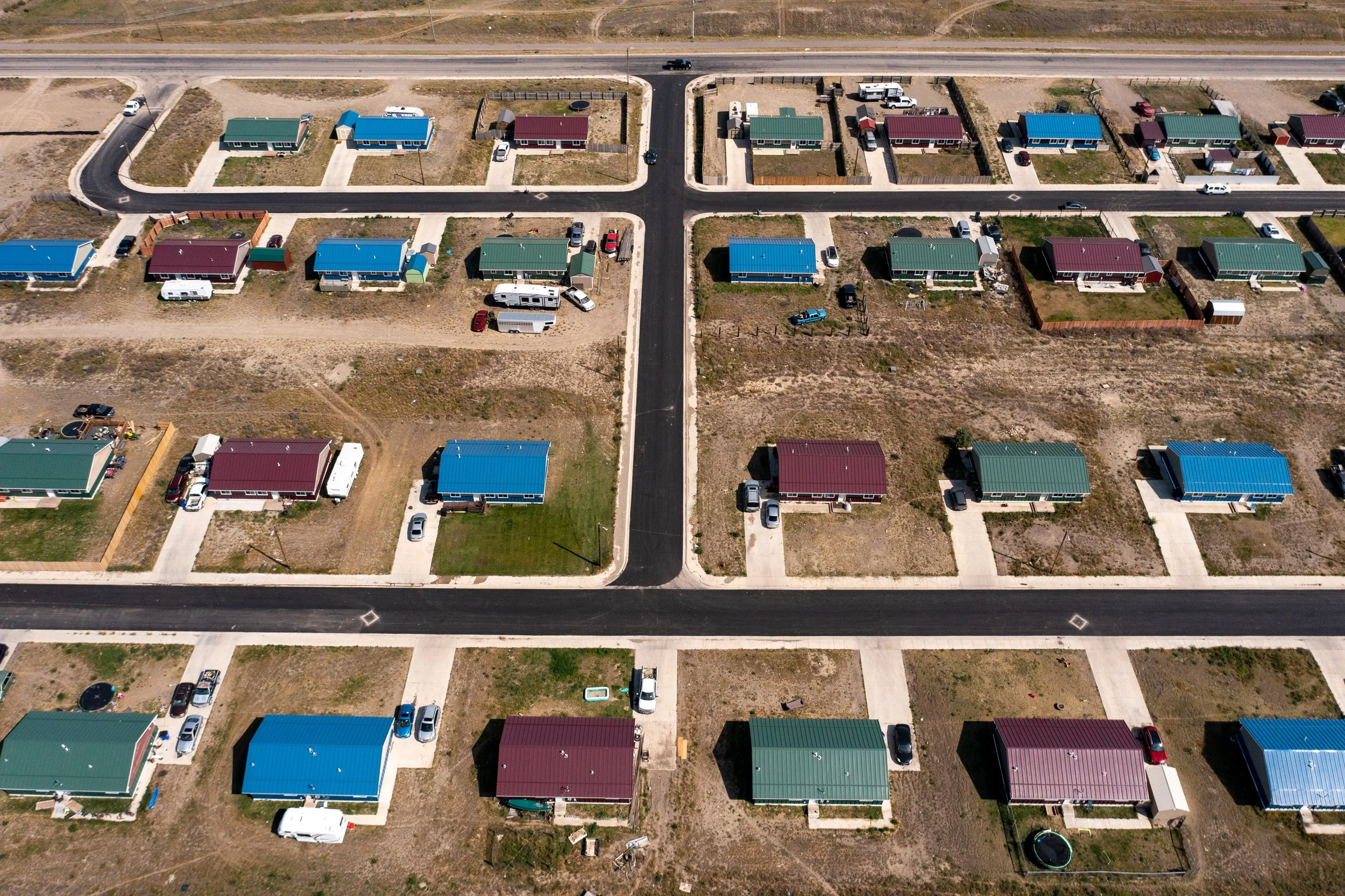
More views of housing in Browning, Montana, on Tuesday, August 26, 2025.
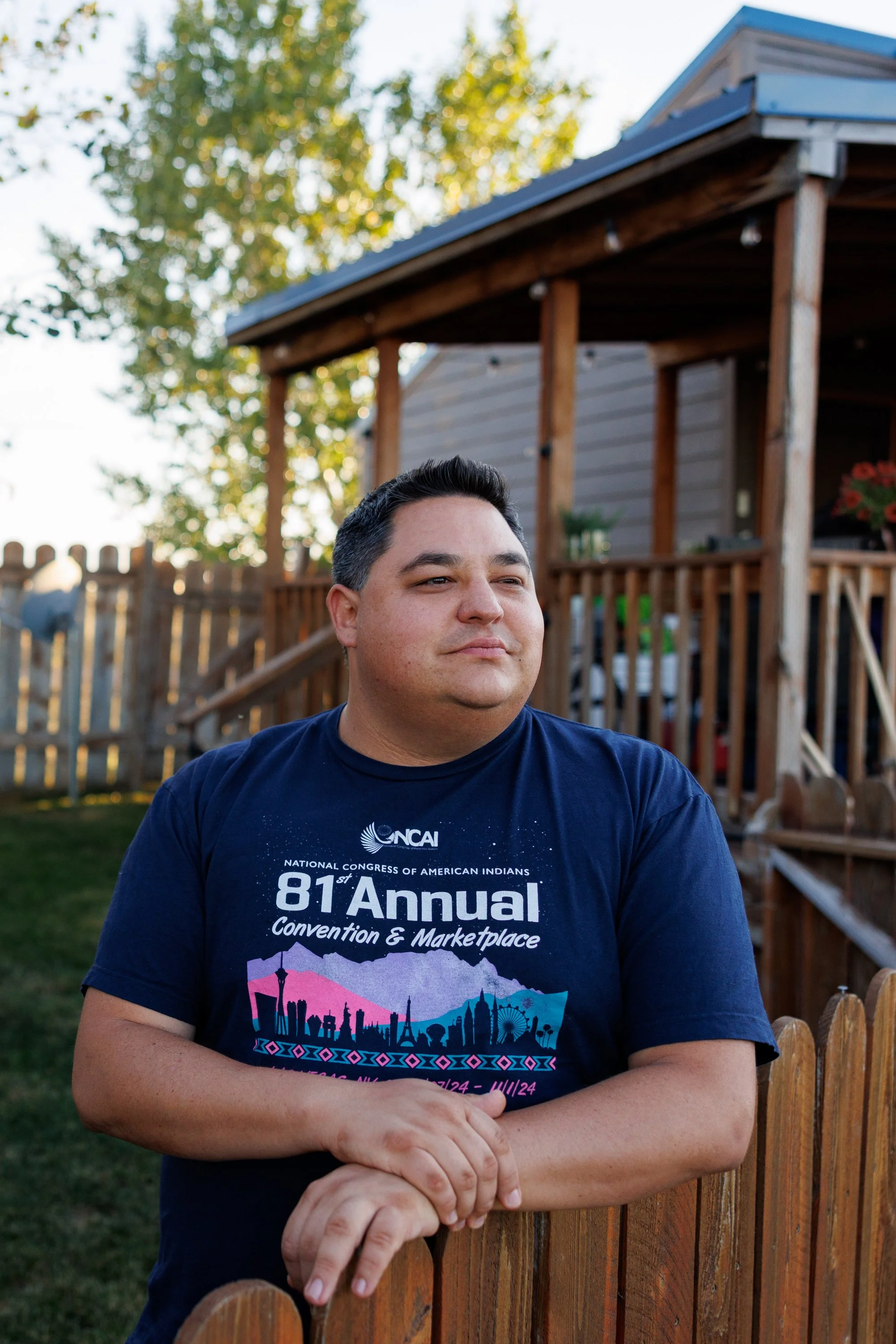
“It’s really important for a leader, who serves, to live in the community,” said Brad Hall, president of Blackfeet Community College.